





If you run residential calls around St. Louis, you see a wide mix of homes and soil conditions every week. One day you are in a brick four‑square in Tower Grove. The next you are in a century‑old home in Soulard, then a post‑war ranch in North County or a newer place out in St. Charles or O’Fallon. On the surface, these houses look very different. Underground, they often share the same story.
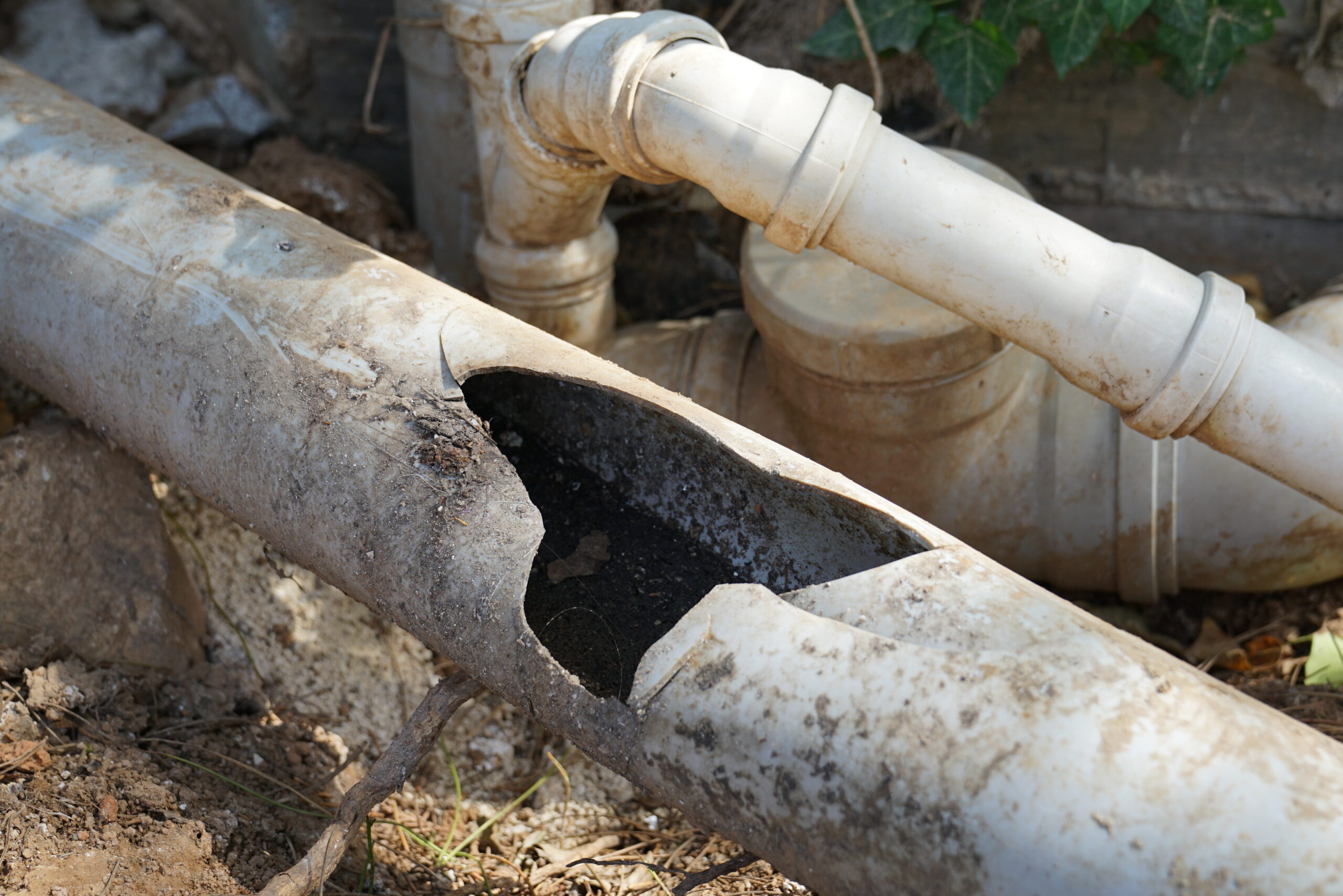
You show up for a basement backup or slow drains, run your camera, and find cracked clay under the front walk, offset joints in heavy clay soil, or a sagging section of pipe between the house and the main. In a region known for clay‑rich soils, freeze‑thaw cycles, and older infrastructure, sewer line problems are not rare events. They are part of the landscape.
For residential plumbers who want to lead in the St. Louis market, this is the moment to build a sewer line repair strategy around trenchless options that respect local soils, older housing, and tight city lots.
Why St. Louis Soil And Housing Create Sewer Line Problems
St. Louis sits on expansive, clay‑heavy soil. As moisture levels change through wet springs, hot summers, and winter freezes, that soil moves. The movement does not care about the original slope or alignment of a lateral. Over the decades, joints shift, bellies form, and older materials crack or collapse.
You probably recognize patterns like these:
- Brick homes in the city with original clay or cast iron laterals that have “rolled” with the soil.
- Narrow city lots where the line runs under stoops, sidewalks, and small front yards.
- Mature trees along streets and in yards sending roots toward the nearest source of moisture.
- Finished basements and lower‑level spaces that sit below grade and cannot afford a single backup.
Every one of these realities raises the risk that a quick cable job will only buy time. They also make open‑cut excavation in dense neighborhoods harder to sell and harder to execute without major disruption.
Why Camera Inspections Are Critical In St. Louis
In this market, guessing is a gamble. Sewer line rehabilitation in St. Louis needs to start with solid visual evidence. Camera inspections help you separate minor clogs from real structural sewer line problems driven by soil movement and age.
It makes sense to recommend inspections when you see:
- Repeat backups after heavy rain or snowmelt.
- Visible settlement, cracked walks, or patchwork concrete along the line path.
- Older city homes with no record of prior sewer line repair.
- Basements that have been turned into living space, rentals, or entertainment rooms.
Once homeowners watch footage of cracks, offset joints, bellies, or thick root intrusion, the conversation changes. Instead of debating whether they really need more than cleaning, they ask how to fix the problem for good. That is your opportunity to explain trenchless sewer repair and trenchless sewer line repair as smart, long‑term solutions for St. Louis conditions.
When Dig‑And‑Replace Becomes A Tough Sell In St. Louis
There will always be situations where you have to open a trench. In and around St. Louis, that choice carries extra challenges. Digging in clay soil and older neighborhoods often means:
- Breaking up front walks, stone steps, or old porches.
- Working in tight parkways and narrow side yards with limited access.
- Hauling heavy clay and broken concrete through alleys or over lawns.
- Dealing with weather that can quickly turn clay into a sticky, unworkable mess.
Those realities make traditional dig‑and‑replace a hard sell, especially for homeowners who have invested in landscaping, retaining walls, or historic details. That is one reason more local plumbers are centering their sewer line repair offerings around trenchless sewer technology. When you can fix the line from the inside, you avoid much of the surface damage that customers dread.
How Cured In Place Pipe (CIPP) Fits St. Louis Residential Jobs
Cured in place pipe, or CIPP, lets you create a new pipe inside the existing one. A resin‑saturated liner is inserted into the damaged line and then cured in place, forming a smooth, jointless pipe that resists roots and holds up against shifting soil.
For St. Louis plumbers, CIPP offers practical advantages:
- It reinforces laterals that have shifted in clay soil without large‑scale excavation.
- It seals out root intrusion from big street trees and yard trees.
- It delivers structural sewer line rehabilitation that stands up to freeze‑thaw seasons.
- It limits the need to cut through sidewalks, stoops, and carefully maintained front yards.
Trenchless sewer repair that uses CIPP allows you to tell homeowners, “We can rebuild the inside of your pipe and keep most of what you see above ground intact.” In historic and close‑in neighborhoods, that promise matters.
Why UV Cured CIPP And UV Cured Pipe Lining Help In Changing Weather
Traditional CIPP often relies on hot water, steam, or ambient curing. In St. Louis, shifting temperatures, humidity, and seasonal swings can make cure times harder to predict. That adds stress when you are trying to get a family’s only bathroom or a finished basement back in service on a tight timeline.
UV cured CIPP changes that equation. With UV cured pipe lining, an ultraviolet light source cures the liner from the inside when you decide it is ready. LightRay UV pipe lining is one example, using LED technology to give you precise control over the cure.
On St. Louis jobs, that brings clear benefits:
- The liner stays manageable while you position and verify it.
- You start the cure only after you are satisfied with the placement.
- Outside temperature swings and humidity have less impact on the result.
- Cure times are short and consistent, so you can restore service quickly.
For plumbers working in basements, tight side yards, or small front lawns in all kinds of Midwest weather, UV cured pipe lining makes trenchless sewer line repair more predictable and easier to schedule.
How LightRay UV Pipe Lining Fits St. Louis Neighborhoods
From historic brick homes in the city to post‑war ranches and newer suburbs, the St. Louis area offers a wide mix of housing styles. LightRay UV pipe lining systems are designed for the lateral sizes and access conditions you see across that range, especially for residential spot repairs and full runs.
Key advantages for St. Louis residential work include:
- Rapid cure times that get multi‑bathroom homes and finished basements back online fast.
- Clean, low‑odor curing that keeps families comfortable when windows stay closed during cold or very hot days.
- Reliable performance in older basements with low ceilings and challenging access.
- Flexibility to handle many sewer line rehabilitation situations, from localized failures to longer deteriorated sections.
When you combine proper cleaning, inspection, and UV cured CIPP, sewer line problems under St. Louis sidewalks, front yards, and parkways become managed projects with clear steps and outcomes. Homeowners see a professional, controlled process. You see jobs that are easier to price, schedule, and complete without surprises.
Helping St. Louis Homeowners Understand Responsibility And Risk
Many St. Louis homeowners are not sure where their responsibility for sewer line repair begins and ends. Some assume that anything under the sidewalk or street is the city’s problem. In many cases, they still own and must maintain the lateral between the house and the main.
By taking time to explain:
- Which portion of the sewer line they likely own,
- How clay soil, roots, and age affect that section,
- And how trenchless sewer technology can limit disruption and long‑term cost,
you position yourself as a trusted advisor, not just the person who shows up when water is on the floor. When the next backup hits, they remember the plumber who walked them through cured in place pipe and UV cured CIPP options, not the one who just ran a cable and left.
Building A Stronger St. Louis Plumbing Business With Trenchless
For residential plumbers serving St. Louis and the surrounding communities, investing in trenchless sewer line repair is a smart move that fits local conditions. It lets you align your services with the realities of clay soil, older housing, and the value homeowners place on their basements and yards.
With the right trenchless tools and training you can:
- Win higher‑value jobs from clients who want durable solutions that protect finished basements and property value.
- Reduce repeat visits caused by structural defects that cleaning alone cannot solve.
- Turn challenging properties into success stories that generate referrals from neighbors, real estate agents, and inspectors.
- Use inspection video and project documentation to show future customers why trenchless sewer repair and sewer line rehabilitation are wise investments in this region.
LightRay UV pipe lining and other UV cured CIPP systems give you the confidence to take on complex sewer line problems with clear expectations and dependable results. In a city where clay soil moves, weather changes quickly, and homes carry real history, that confidence becomes a real competitive edge.
Your Next Step As A St. Louis Plumber
If you are ready to move beyond temporary fixes and start offering full sewer line rehabilitation across St. Louis neighborhoods, now is the time to take a closer look at trenchless sewer technology. Review the sewer line problems you see again and again in your service area. Identify jobs where cured in place pipe and UV cured pipe lining would have turned a difficult excavation into a controlled trenchless project.
Talk with your suppliers about LightRay UV pipe lining packages sized for residential laterals. Choose one or two projects that are strong candidates for trenchless sewer line repair, document the process and results, and use that proof as you educate future customers.
In a region defined by clay soil, older homes, and valuable basements, the plumbers who master trenchless sewer repair will be the ones St. Louis homeowners call first when the next backup threatens their lower level and their peace of mind.