



St. Louis is in the middle of one of the largest sewer rehabilitation programs in American history. The Metropolitan St. Louis Sewer District’s Project Clear consent decree represents a $4.7 billion commitment to fixing combined sewer overflow and sanitary sewer overflow problems that have accumulated over more than a century of infrastructure development along the Mississippi and Missouri River corridors.
For contractors and engineers working on trenchless pipe rehabilitation across St. Louis city, St. Louis County, St. Charles County, and the Metro East, CIPP liner thickness is not a minor specification detail. It is a decision that determines whether your work holds up under one of the most scrutinized infrastructure programs in the country.
What Makes St. Louis Soil and Ground Conditions Demanding
The soils throughout the St. Louis metro area carry a character that many installers from other regions do not anticipate. Loess deposits, wind-blown silt laid down over thousands of years along the Missouri and Mississippi River valleys, are highly erodible, collapse-prone when saturated, and provide inconsistent lateral support to buried pipe systems. When groundwater from the surrounding river floodplains rises seasonally, those soils can shift in ways that place sudden, unpredictable loading on host pipes and the liners inside them.
Temperature extremes compound the structural challenge. St. Louis experiences some of the widest seasonal temperature swings of any major Midwestern metro, with summer heat frequently exceeding 95 degrees and winter cold driving hard freeze events that stress pipe joints and accelerate deterioration in already compromised host pipes. The combination of loess soil movement, floodplain groundwater, and thermal cycling creates a loading environment that operates well outside standard textbook assumptions.
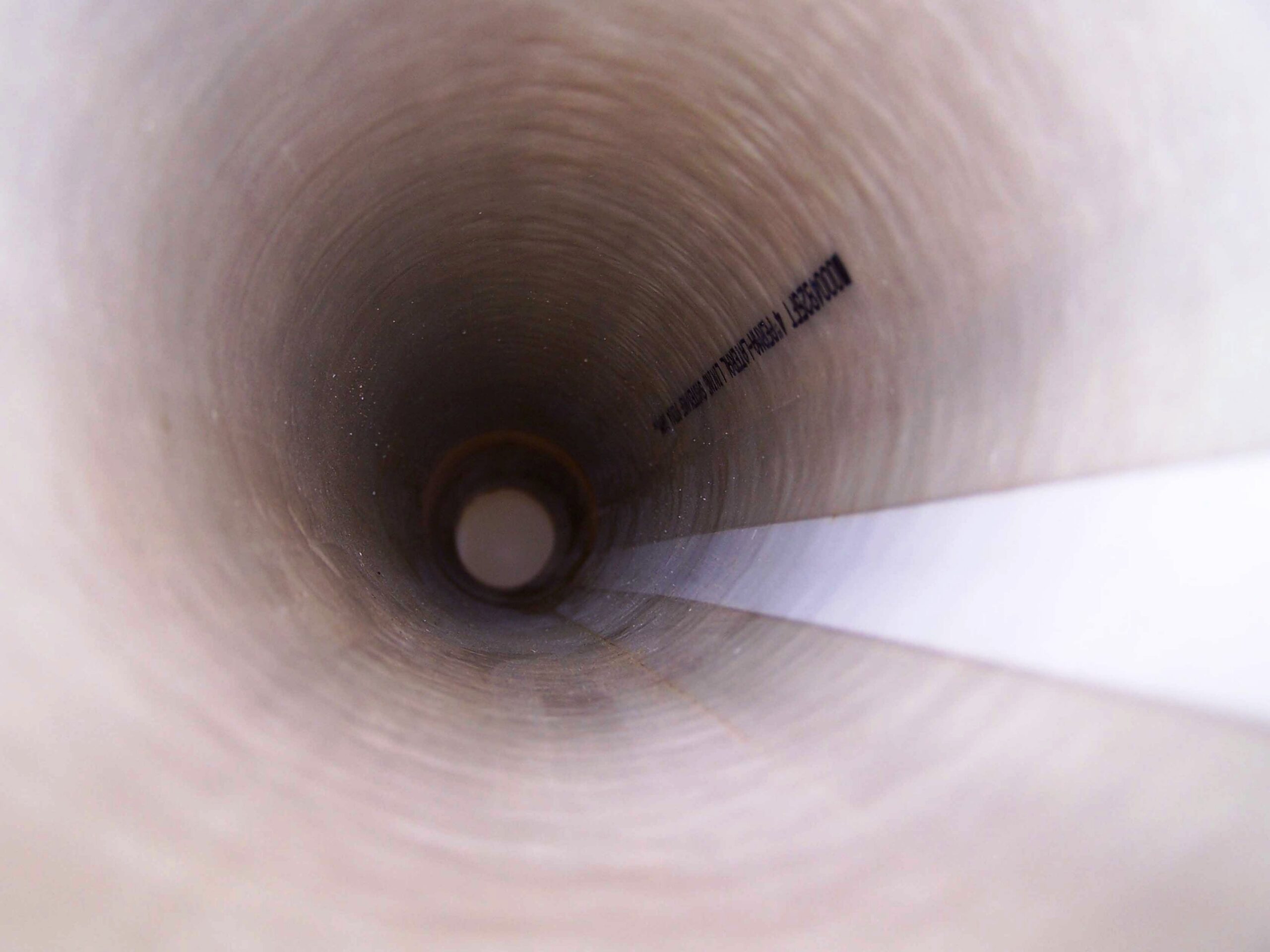
A 2mm cured-in-place pipe liner operating near minimum ASTM F1216 thresholds has limited capacity to absorb that combination of variable soil pressure, groundwater fluctuation, and seasonal thermal loading. In St. Louis, that margin is not a cushion. It is the first thing the ground takes.
The Load Factors Every St. Louis Installer Must Account For
When evaluating CIPP liner thickness for a St. Louis or Metro East project, the structural loading environment includes:
- Loess soil deposits throughout much of the metro area that provide inconsistent lateral support and are prone to saturation-driven movement
- Seasonal groundwater pressure fluctuation driven by proximity to the Mississippi and Missouri River floodplains
- Extreme seasonal temperature swings that place sustained thermal stress on host pipes and accelerate joint deterioration
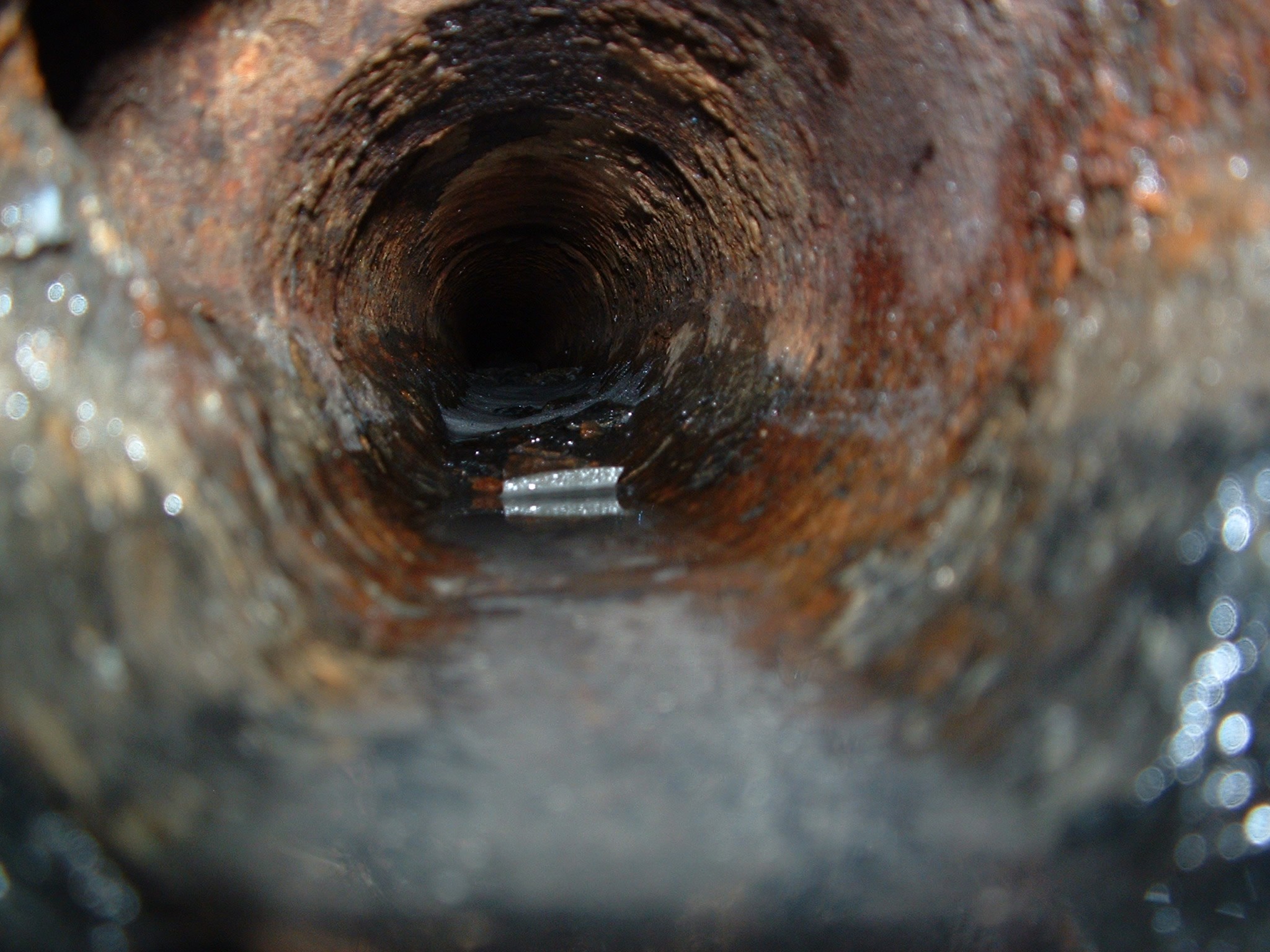
- Combined sewer infrastructure dating to the late 1800s and early 1900s throughout City of St. Louis and older inner-ring county neighborhoods
- Heavy truck and freight traffic loads along St. Louis’s major arterials, a reflection of the city’s role as a central freight and logistics hub for the region
- MSD Project Clear specifications reflecting the consent decree’s long-term performance requirements and post-installation inspection protocols
- Active construction interference from ongoing MSD capital improvement projects running concurrently across multiple service areas
A 2mm CIPP liner may satisfy minimum ASTM F1216 requirements under stable conditions. St. Louis’s underground does not offer stable conditions.
Why MSD Project Clear Changes the Stakes for Every Contractor
MSD Project Clear is not a typical municipal rehabilitation program. It is a federally monitored consent decree with defined performance milestones, rigorous inspection requirements, and long-term accountability built into every phase of the work. Contractors operating under Project Clear specifications are performing work that will be reviewed not just at installation, but years down the line.
A liner that underperforms on a Project Clear job does not just create a warranty claim. It creates a documented failure in a program with federal oversight, published performance targets, and institutional memory that extends well beyond a single project manager or contract cycle. Pipe lining warranty risk in this market is not just a business problem. It is a consent decree compliance problem.
For contractors building their pipeline of MSD work over the next decade, installation quality on current jobs is the most important factor in future bid outcomes. The engineers reviewing your specifications today are the same ones approving your bids tomorrow.
Why 3mm Is the Right Specification for St. Louis Work
A 3mm CIPP liner provides the structural margin that St. Louis’s underground conditions and consent decree environment demand. The advantages are direct:
- Greater resistance to the loess soil movement and variable lateral support conditions throughout the metro area
- Improved sewer liner structural capacity in deteriorated combined sewer host pipes from the late 19th and early 20th centuries
- More installation forgiveness when floodplain groundwater and seasonal temperature swings push conditions beyond pre-job assessments
- Enhanced long-term pipe liner durability through the thermal cycling and moisture variation unique to this river corridor environment
- Reduced callback exposure and stronger warranty standing on MSD Project Clear and county rehabilitation contracts
- Defensible CIPP structural requirements for MSD engineering review, consent decree compliance documentation, and third-party inspection sign-off
For engineers writing specifications on Project Clear rehabilitation work, 3mm is the recommendation that holds up under federal oversight scrutiny.
The Calculation That Settles the Specification
Under MSD Project Clear’s consent decree framework, ASTM F1216 calculations are not just a design tool. They are part of the compliance record for every rehabilitation project flowing through the program. A specification that skips them isn’t just technically incomplete. It is a specification that doesn’t meet the program’s own documentation standards, which creates a different kind of exposure than a typical warranty claim. In this monitoring environment, running the numbers isn’t optional procedure. It is table stakes for any contractor operating in this market.
Before specifying a 2mm liner on any St. Louis project, one question needs a documented answer: Have the ASTM F1216 calculations been completed for this specific installation?
Under Project Clear’s performance environment, if the answer is no, the specification is already incomplete. Install 3mm.
Build for What the River Corridor Demands
St. Louis infrastructure rehabilitation is active, well-funded, and federally accountable for the foreseeable future. The contractors and engineers building a track record of durable, defensible installations are the ones positioned to win the next phase of that work. Those cutting margins on liner thickness are building a liability instead.
The soils here move. The groundwater rises. The temperatures test everything you install.
Build for it. Install 3mm.